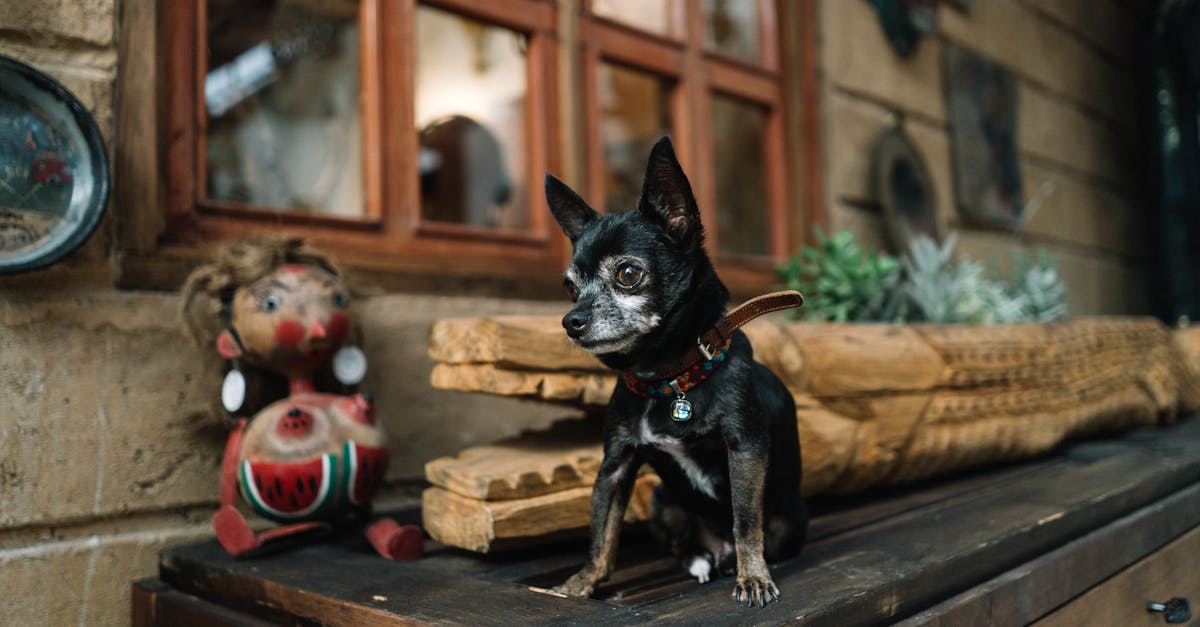
Dreaming of dogs — what does it mean?
Dreamed of a dog? Dogs symbolise loyalty, friendship and protection — but an aggressive dog points somewhere else entirely. Read the interpretations.
Foto: Bianca Beltrán / Pexels
- A dog in a dream can symbolise loyalty, friendship and dependability.
- An aggressive dog may signal a threat or conflict in a close relationship.
- Dogs can represent your instincts and the intuitive part of yourself.
Contents
What does it mean to dream about a dog?
Dogs have walked alongside people for thousands of years, and the bond between us runs deep. It is perhaps no surprise that dogs are among the most common animals to appear in dreams. Whether or not you are a dog person, dreaming of one tends to carry rich symbolic content.
Dogs in dreams can represent many things — from the most positive aspects of human relationships to more primal instincts and feelings we keep at arm’s length. The key to interpretation lies in how the dog behaved, how you felt in the dream, and what is happening in your life right now.
The guard dog instinct
Loyalty, friendship and trust
The most natural symbol a dog carries is loyalty. Dreaming of a friendly, affectionate dog can reflect the close relationships in your life. The dream may point toward a friendship you value, a partner you trust, or a sense that you have people around you who show up.
If the dog in the dream followed you faithfully or protected you, it can be read as feeling secure in your relationships. It may also be a sign that you yourself are a loyal and dependable person — the dream mirroring your own qualities back to you.
But the dream can also be about longing. If you dreamed of a dog you once had, or of a dog that was gone, it may reflect a yearning for the kind of unconditional love and trust that dogs represent. Perhaps there is a relationship in your life where that quality feels missing.
Threats and conflict
Not all dog dreams are positive. Dreaming of an aggressive, barking or biting dog can symbolise a threat or a conflict you are living with. The dog then represents something or someone that feels dangerous — perhaps a person in your life behaving in a threatening way, or a situation that creates insecurity.
A growling dog may point toward a conflict simmering below the surface. Perhaps something has gone unsaid between you and someone close — a disagreement neither of you has raised, but that you both feel. The dream asks you to look at it.
Being bitten by a dog in a dream is often read as a betrayal or a disappointment from someone you trusted. It is one of the more painful dog dreams, because it turns the symbol of loyalty on its head. Dreams of wilder animals such as wolves or bears can carry a similar energy, but with a more unpredictable character.
Instinct and intuition
Dogs are known for their sharp senses and their ability to pick up on things people cannot. In dreams, a dog may therefore represent your own intuition — the part of you that knows something without being able to explain why.
If the dog in the dream tried to lead you somewhere, barked to warn you, or behaved in a way that caught your attention, it can be read as your instincts trying to tell you something. Perhaps you have been overriding a gut feeling lately, and the dream is encouraging you to listen more closely to yourself.
This reading is especially relevant if you are facing a choice where head and heart point in different directions. The dog then represents the embodied, instinctive kind of wisdom — the sort that cannot always be put into words, but is rarely far off.
The loyal companion
The context of the dream matters a great deal. Here are some variants that often point in different directions:
If the dog was playful and happy: A playful dog often symbolises joy, spontaneity and childlike energy. Perhaps you need more play and lightness in everyday life.
If the dog was sick or injured: An unwell dog may point toward a relationship that needs attention, or a side of yourself you have neglected. It reads as a call for care.
If you lost the dog or it ran away: Losing a dog in a dream can symbolise a loss of trust, friendship or security. It may mirror a real situation where someone you relied on has grown distant.
If the dog protected you: A protective dog is a positive sign. It can be read as having good support around you, or as your own inner strength standing guard during a demanding period.
The oldest companion — loyalty and instinct
The dog is humanity’s oldest animal companion, and it is perhaps not so surprising that it turns up as often in our dreams as in our lives. In dreams the dog often represents friendship, loyalty, protection or a relationship of trust — someone, or something in yourself, that is there for you.
In several mythologies dogs guard the boundary between worlds: the Greek Cerberus watched the entrance to the underworld, and the Egyptian Anubis — with his jackal head — accompanied the dead on their way onward. The dog is thus an old symbol of the guardian at the threshold, the one who watches over the passage from one place to another.
What usually says the most in a dog dream is how the dog behaves. A friendly, playful dog may point toward a supportive relationship, or toward being on good terms with your own needs and instincts. An aggressive or growling dog can be read as a conflict, a breach of trust, or your own guard-dog instinct kicking in. A lost or abandoned dog may bring to mind a relationship — with others or with yourself — that has been neglected and needs attention.
Sources and further reading
- Calvin Hall & Robert Van de Castle, The Content Analysis of Dreams (1966) — normative data on which animals actually appear in dreams, and how often.
- Carl Gustav Jung, Man and His Symbols (1964) — the dog between loyalty and guard instinct: closeness and defence in the same animal.
- G. William Domhoff, The Scientific Study of Dreams (2003) — the continuity hypothesis, and why the dog’s behaviour in the dream tells you most.
The Dream Guide recommends Dreams rarely give a simple answer — they speak to you through images and feelings. Ask yourself:
Previous reflections
No saved reflections yet — start above.