The circadian rhythm — how your internal biological clock works
Your biological clock governs sleep, energy, mood, and digestion on a 24-hour cycle. Here's how it actually works, and what throws it off balance.
Science, habits and better nights — everything you need to know about sleep, grounded in research.
33 articles
What happens in your body and brain when you sleep?
Habits and steps for better sleep quality
Insomnia, sleep apnea and other sleep problems
Sleep during pregnancy, adolescence, aging and grief
Weighted blankets, sleep masks and apps
Dreams, stress and the unconscious mind
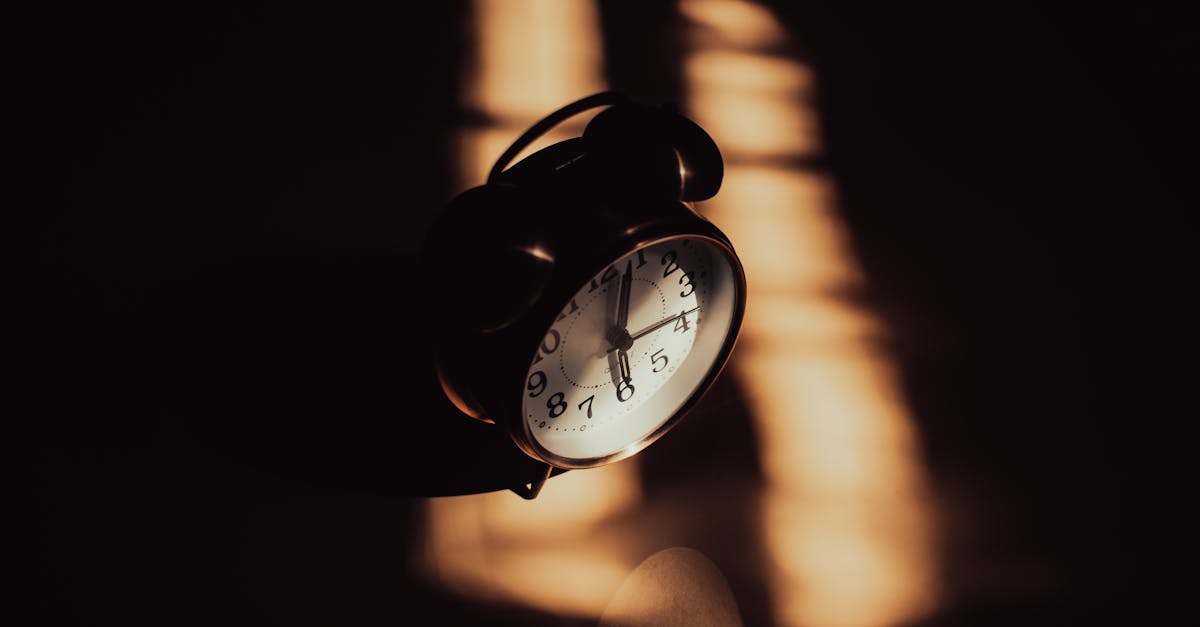
Your biological clock governs sleep, energy, mood, and digestion on a 24-hour cycle. Here's how it actually works, and what throws it off balance.
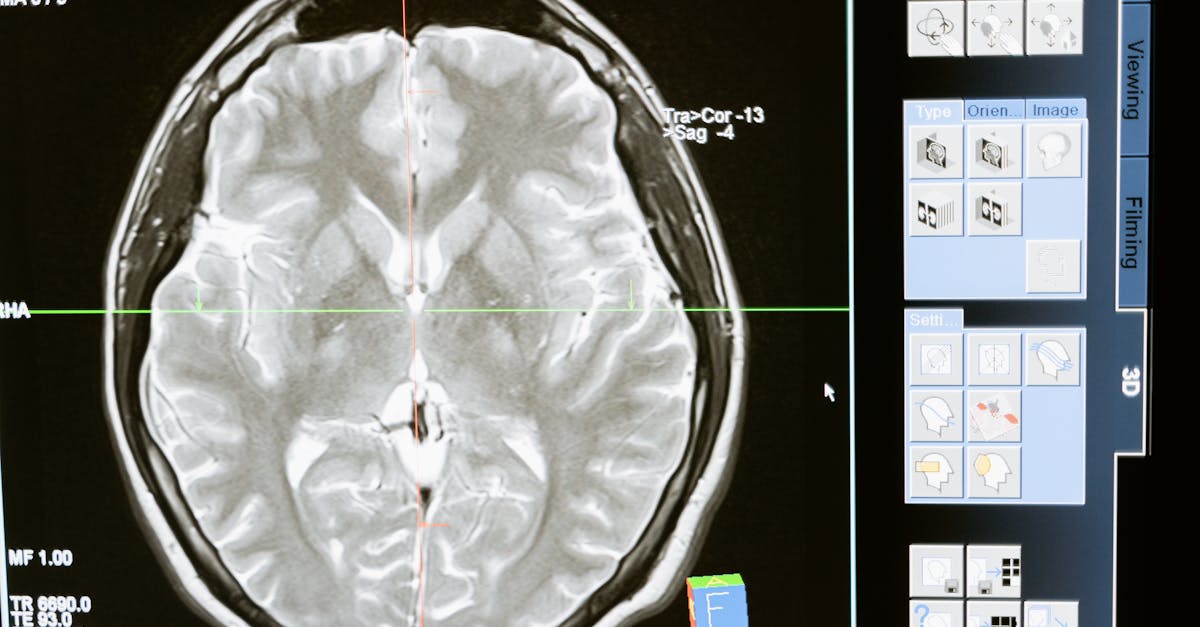
What happens in the brain while you dream? Brain imaging reveals a fascinating picture of REM sleep's neurological architecture. Here's what research has found.
Some of history's most important discoveries and decisions began in a dream. Here are the most fascinating documented cases, and what they can teach us.
There's a rough average everyone quotes, but real sleep need varies significantly between people. Here's what research says, and how to find your own number.
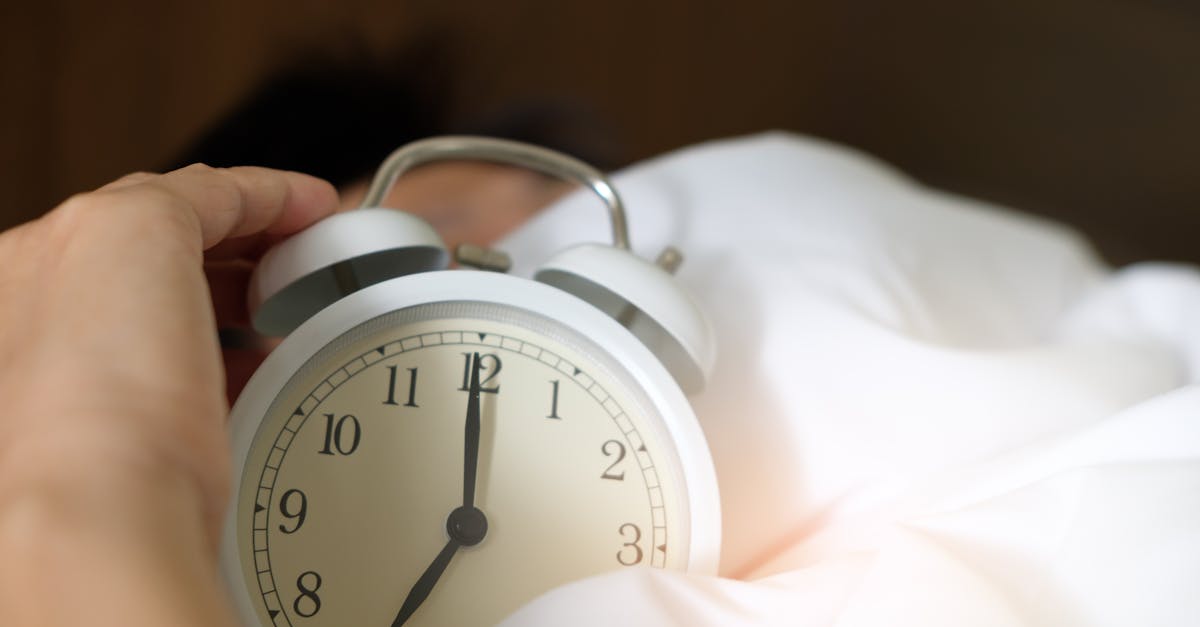
Melatonin isn't a sleeping pill — it's a signaling hormone. Here's what melatonin actually does, who it helps, and what research says about dose and timing.
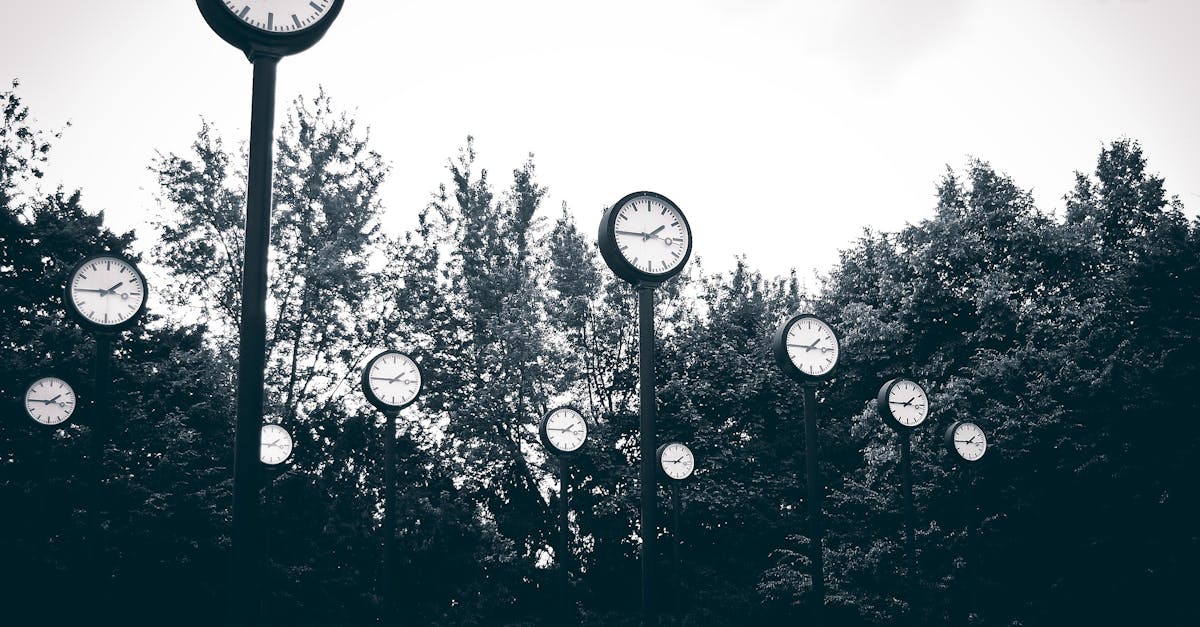
Polyphasic sleep promises more productive hours by splitting sleep into several short blocks. Here's what research actually says about whether it's sustainable.
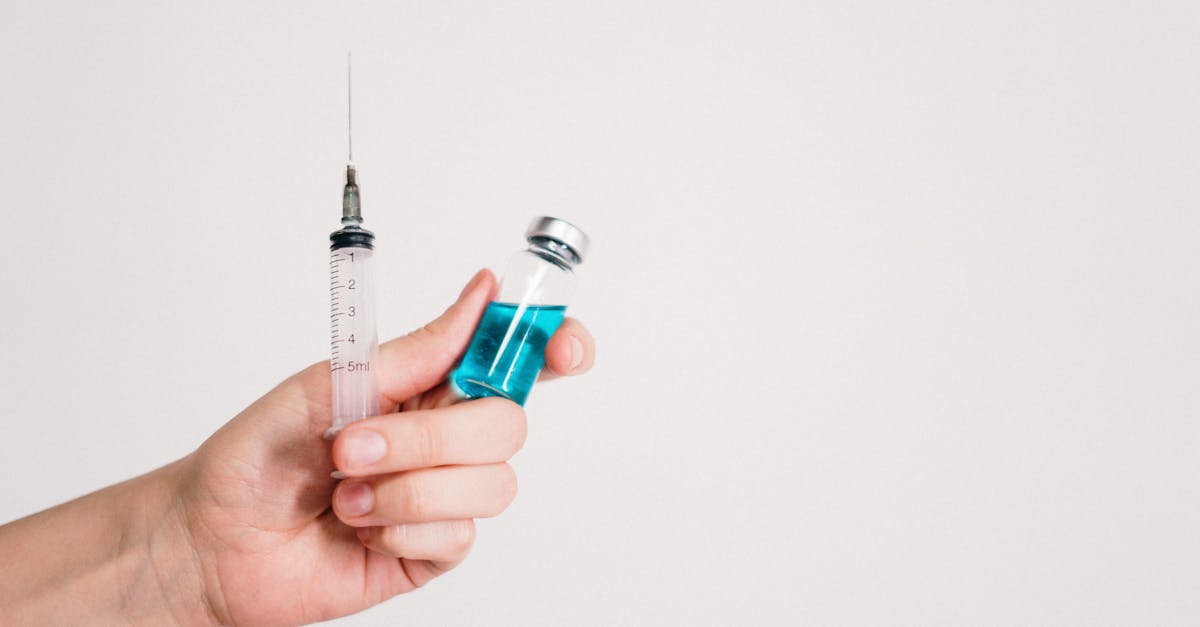
Your immune system is at its most active while you sleep. Here's what research says about the link between sleep quality and fighting off illness.
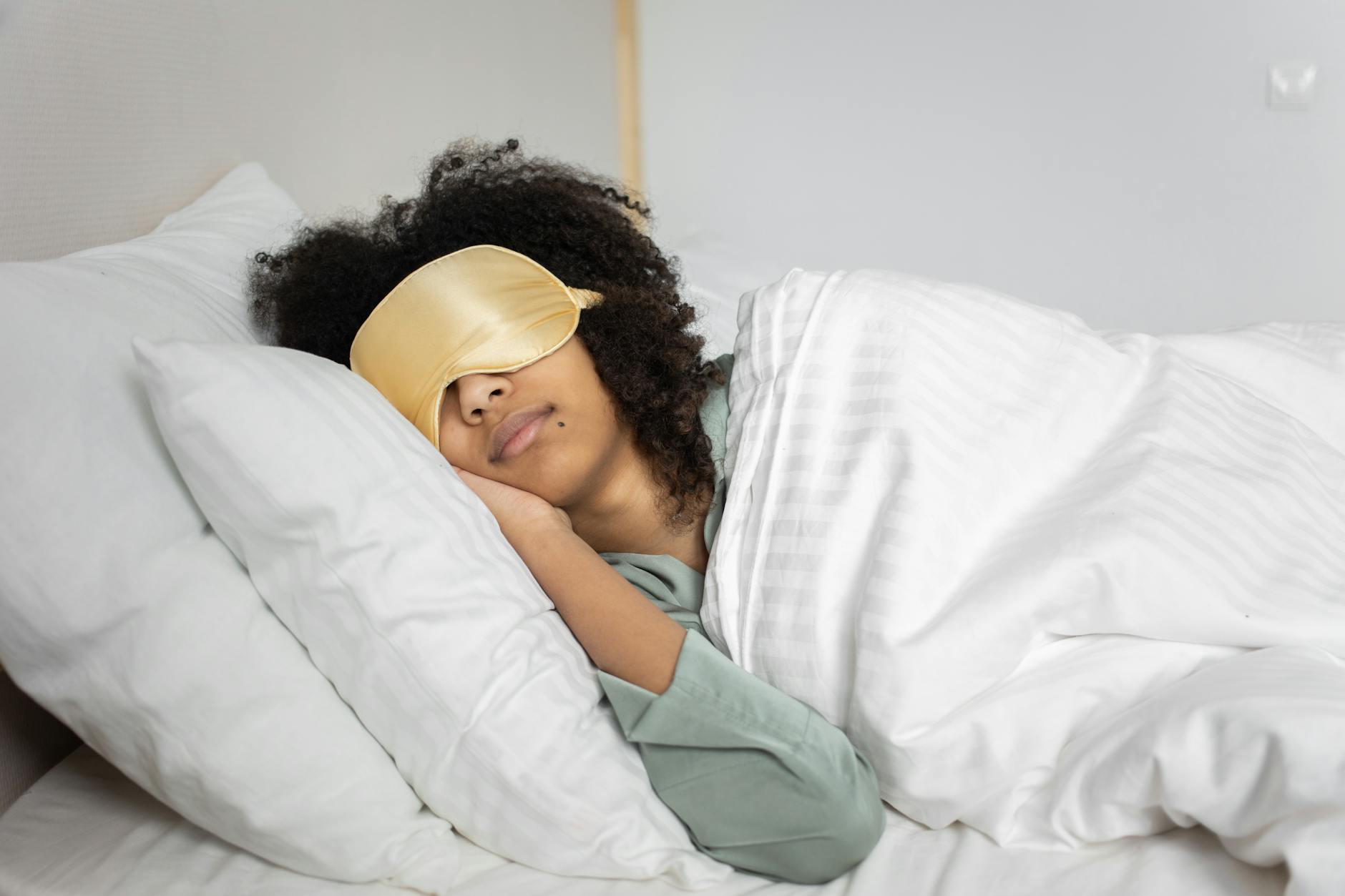
Sleep is split into stages the brain cycles through all night. Here's what happens in each one, and why REM sleep is where dreams live and take shape.
Sleep isn't passive rest — it's one of the body's most active processes. Here's what research knows about what sleep is, and why we can't live without it.

Why do we dream? Research keeps offering better answers — from emotional regulation to creative problem-solving. Here's what we know, and what we still don't.

Many people use alcohol to fall asleep faster, but research is clear that it wrecks sleep quality. Here's what actually happens in your body.
The bedroom environment shapes sleep quality more than most people realise. Here's what research says about temperature, light, noise and what actually helps.
A good bedtime routine is one of the most effective sleep tools there is, and not because it's magic. Here's the mechanism, and where to start tonight.
Caffeine is the world's most widely used psychoactive substance, and a common sleep thief. Here's the mechanism, the half-life, and what to change.

Exercise is one of the best sleep aids there is, but timing and intensity decide whether it helps or hurts your sleep. Here's what research says.
Sleep hygiene is the set of habits and environmental factors shaping your sleep quality. Here are the most well-documented ones, ranked by effect.
A large share of adults struggle with sleep regularly. Here's what sleep problems actually are, what causes them, and what research says genuinely helps.
Sleep apnoea is one of the most common and most underdiagnosed sleep disorders. Here are the symptoms to know, what causes it, and what treatment involves.

Grief changes sleep at a deep level, and sleep is where much of that grief gets processed. Here's what research says about loss, sleep and dreaming.
Menopause changes sleep dramatically for many women. Here's what actually happens hormonally, and what can help you get better nights again.
Sleep naturally changes with age, but poor sleep isn't inevitable. Here's what's happening biologically after 60, and what research says genuinely helps.

Pregnancy changes sleep dramatically, and dreams along with it. Here's what happens trimester by trimester, and what genuinely helps you sleep better at night.
Teenagers don't stay up late out of laziness — biology pushes them to. Here's what happens to sleep during the teenage years, and what genuinely helps.
Sleep apps like Sleep Cycle, Oura Ring and Apple Watch promise insight into your sleep. Here's what they actually measure, and who they suit.
Darkness is one of sleep's most important requirements. Here's what makes sleep masks and blackout curtains effective, and what to look for when choosing one.
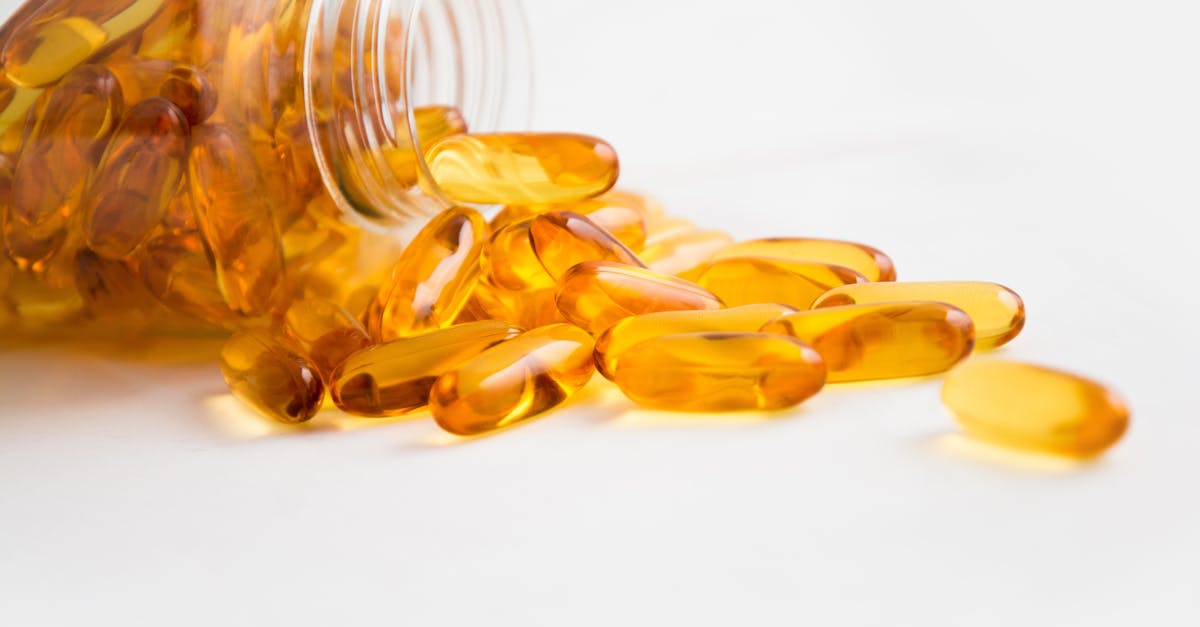
Magnesium, L-theanine, valerian, ashwagandha — the supplement shelf for sleep is overwhelming. Here's what research actually says about which ones help.
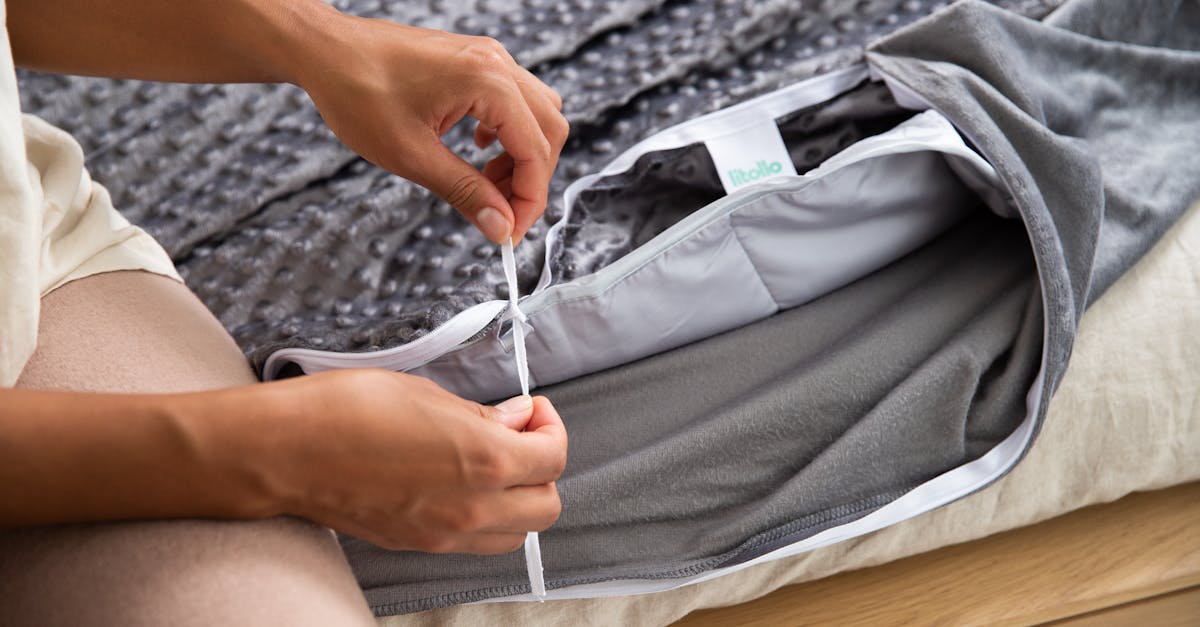
Weighted blankets have become a popular sleep aid, but what does research say, who do they genuinely help, and what should you look for when choosing one?
White noise, pink noise, brown noise, and nature sounds all claim to improve sleep. Here's what research says about sound masking and what actually helps.
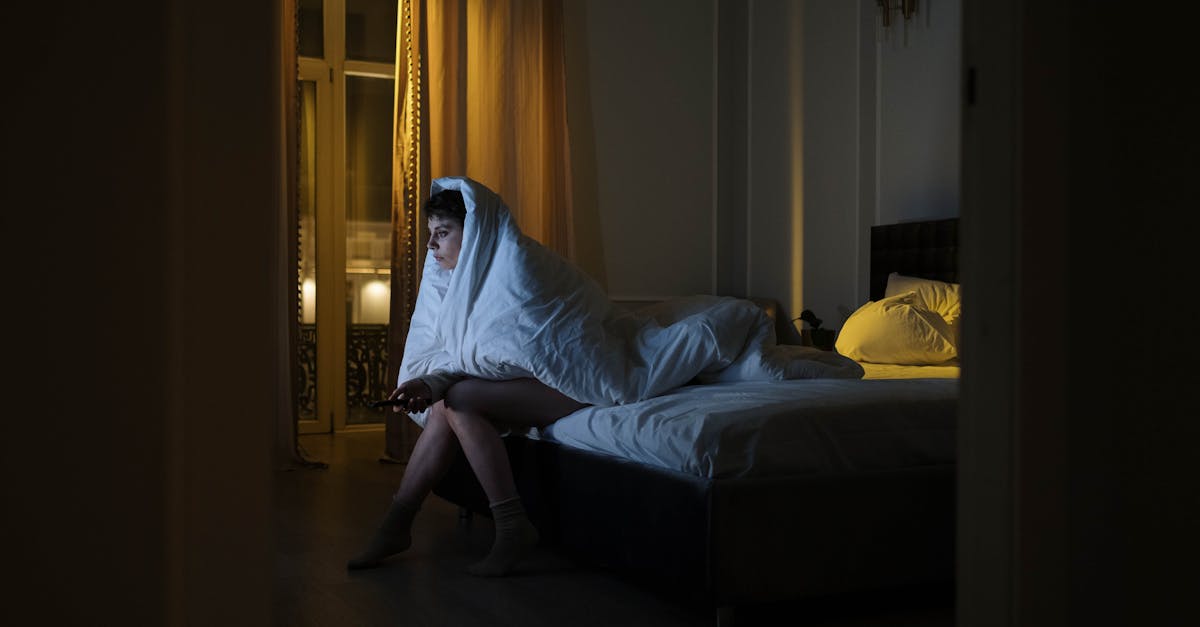
Anxiety and sleep problems reinforce each other in a self-perpetuating spiral. Here are the mechanisms behind it, and what research says actually helps.
Astral projection and out-of-body experiences feel extraordinarily real. Here's what neuroscience and sleep research say about what's actually happening.
Depression and sleep problems are deeply intertwined, and each makes the other worse. Here are the mechanisms, the role of dreams, and what actually helps.

In Old Norse culture, dreams weren't symbolic — they were omens, messages, and fate. Here are the most striking dreams from the sagas, and what they meant.
PTSD is the sleep and dream disorder we understand best, and the one that takes the heaviest toll. Here are the mechanisms, and what treatment can do.
Dreams happen during REM sleep — and your sleep quality directly shapes what you dream. Explore dream symbols in our complete dream guide.