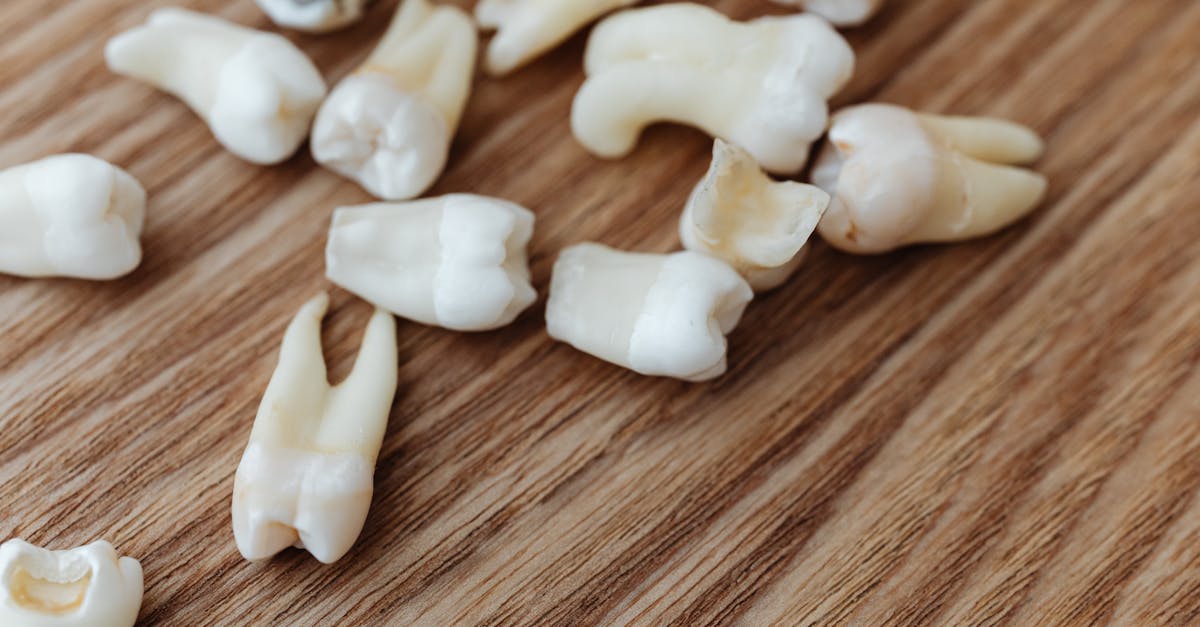
Dreaming of teeth — what does it mean?
Dreaming of teeth falling out? Tooth dreams are very common and often relate to self-image, anxiety, and change. Explore the most common interpretations.
Foto: www.kaboompics.com / Pexels
- Teeth falling out can symbolize insecurity about appearance or self-image.
- The dream is often read as an expression of anxiety about losing control.
- Tooth dreams can also point to a fear of aging or major life transitions.
Contents
What does it mean to dream about teeth?
Dreams about teeth — especially teeth that loosen, fall out, or crack — are among the most common dreams people report. This dream shows up across cultures and age groups, and it almost always leaves behind an uneasy feeling. You might wake up needing to check with your tongue that your teeth are still where they should be.
The sheer prevalence of tooth dreams suggests they touch something fundamentally human. They’re rarely about dental health itself — they tend to point toward deeper themes like self-image, control, and fear of change.
The superstition that survived
Self-image and appearance
Our teeth are a visible part of the face and play an important role in how we present ourselves to the world. Dreaming that your teeth fall out can therefore be read as insecurity about your appearance, or about how others perceive you.
Perhaps you’ve been in a situation where you felt judged — a job interview, a first date, or a social event where you weren’t sure how you were coming across. The dream can mirror this vulnerability. The teeth in the dream represent your outward facade, and when they disappear, you’re left without protection.
This reading is reinforced if the dream also included feeling naked or exposed. Both dreams touch on the fear of being seen exactly as you are — without filters.
Anxiety and loss of control
Tooth dreams are strongly linked to general anxiety. They tend to appear during periods of stress, uncertainty, or major life change — anything from a difficult work situation to a shifting relationship.
The experience itself of teeth loosening — that slow, unstoppable sense of something slipping out of your hands — is a powerful metaphor for loss of control. You might try to hold on, but it doesn’t help. The dream mirrors a feeling many people know well during periods when life feels unpredictable.
Research has suggested that people who experience higher levels of daily stress tend to dream about teeth more often. It’s worth reflecting on your stress levels if this dream keeps recurring. Dreaming of hands that won’t work the way they should can carry a similar link to a feeling of powerlessness.
Fear of aging and life-stage transitions
Teeth are also tied to life stages. We lose baby teeth as children, get wisdom teeth as young adults, and many people experience dental issues with age. Dreaming of teeth falling out can therefore point to an awareness of time passing — a fear of growing older, or unease around the transition from one life stage to another.
This reading is especially relevant during periods of major transition: moving out of your childhood home, becoming a parent, retiring, or watching your children grow up. The dream can reflect an underlying grief over what’s changing, even when the change itself is natural and positive.
Tooth dreams tied to major life changes share something of the symbolism found in dreams about a baby, which also deal with new stages and transformation.
From omen to symbol
The context of the dream matters a great deal. Here are a few variations that often lead to different readings:
If the teeth fell out one by one: A gradual process can symbolize something slowly crumbling in your life — perhaps a relationship, a project, or your own energy. It’s a nudge to address it before it’s too late.
If all your teeth fell out at once: This can be read as a feeling of total collapse — a situation where everything feels like it’s caving in at the same time. It’s worth remembering that dreams exaggerate: reality is rarely as dramatic as the feeling suggests.
If the teeth crumbled apart: Crumbling teeth can point to a feeling that something you trusted — your sense of security, your foundation — no longer holds. It can also relate to something you’ve neglected over time.
If you saw yourself in a mirror without teeth: This variation reinforces the reading tied to self-image. The mirror represents self-reflection, and seeing yourself without teeth can be about confronting parts of yourself you don’t like.
From ancient interpretation to modern sleep science
The tooth dream is nothing new. As far back as the Oneirocritica — the oldest systematic dream book we know of, written by Artemidorus in the 2nd century AD — teeth were interpreted as representing members of the household. Losing teeth in a dream could foretell the loss of family or kin, or the loss of money and property. The idea that teeth “stand in” for one’s nearest and dearest has survived in various forms right up to today.
In folk traditions widespread across parts of Europe and Greece, losing teeth in a dream was often understood as a sign of illness or death in the family — a persistent superstition that today is usually read as a metaphor for loss rather than a literal warning.
More recent sleep research approaches tooth dreams from a different angle. Tooth dreams are among the most commonly reported dreams, and they often appear linked to everyday stress and anxiety. Some studies have also suggested a possible connection between tooth dreams and teeth grinding (bruxism) or other dental irritation during sleep, though this link isn’t fully established. In a more symbolic reading, tooth dreams can be about loss of control, worry over appearance and aging, or words said that can’t be taken back.
Sources and further reading
- Artemidorus of Daldis, Oneirocritica (c. 150–200 AD) — tooth loss as one of the oldest documented dream motifs we know of.
- Calvin Hall & Robert Van de Castle, The Content Analysis of Dreams (1966) — normative data on how widespread the teeth motif is across cultures and ages.
- G. William Domhoff, The Scientific Study of Dreams (2003) — the continuity hypothesis, and why teeth dreams arrive in periods of strain.
The Dream Guide recommends Dreams rarely give a simple answer — they speak to you through images and feelings. Ask yourself:
Previous reflections
No saved reflections yet — start above.