Dreaming about someone who has died — what it means, and whether it's normal
Dreaming about someone you've lost is one of the most intense and moving dream experiences there is. Here is what research and psychology say about it.
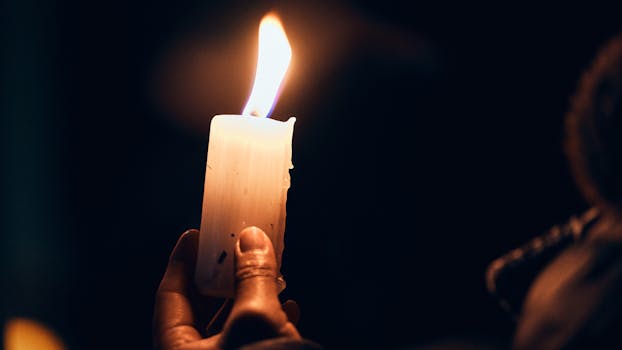
Most people who have lost someone close know this feeling. You see them in a dream — as though they never left, as though everything is normal. Then you wake, and the loss hits you all over again. Or you wake with an unusual calm, a sense that something needed to be said was said, that a meeting took place that felt real in a way you can’t quite explain.
Dreaming about the dead is one of the most universally human dream experiences there is — and one of the most loaded with meaning, fear, comfort and questions.
Is it normal to dream about someone who has died?
Absolutely. Research on grief and dreams consistently shows that dreams about deceased loved ones are very common, especially in the first year after a loss — though they can occur many years later too. In one large study of bereaved people, over eighty percent reported dreaming about the person they had lost, and most described these dreams as unusually vivid, meaningful, and different from ordinary dreams.
They aren’t a sign that something is wrong. They’re a sign that the brain is doing its job — that love and attachment continue, that grief is being processed, that the relationship carries on in your inner life.
Different kinds of dreams about the dead
Dreams about the dead aren’t all alike. There’s a spectrum.
The first type is the simple continuation dream — where the person who died is just there, as if nothing happened, as if the loss never occurred. These can feel confusing, even painful, on waking. But they often reflect an early stage of grief, where the psyche hasn’t yet fully absorbed the loss.
The second type is the visitation dream — where something about the encounter feels different and significant. The person who died says something, gives you something, or is simply there in a way that leaves behind a sense of calm and purpose. Many describe these as the most real dreams they’ve ever had. They tend to occur once grief has been more fully processed.
The third type is the anxious dream — where the person who died is in danger, or where you know they’re gone but can’t find them, or where the encounter is confused and fragmented. These often reflect unprocessed grief or unresolved aspects of the relationship. Some also experience a variant where they believe they’ve woken up and see the deceased person in the room — an experience that can resemble a false awakening, where the line between dream and reality blurs.
What psychology says about these dreams
From a psychological perspective, dreaming about the dead is a natural and healthy part of the grieving process. The brain processes relationships continuously — and in dreams, this processing continues after a loss. The person who died isn’t gone from the psyche even though they’re gone from life.
More recent grief research (particularly from William Worden and the continuing-bonds model of grief) has moved away from the idea that grief is something that “ends.” Instead, grief is described as something we integrate — where the person who died continues to hold a place in our inner life, even once the acute pain has passed. Dreams are one of the places where this continuation happens.
Carl Jung would have seen dreams about the dead as visits from the collective unconscious — where archetypal figures carry messages from a deeper psychic life. Whether or not we take this literally, it’s a useful frame: these dreams are rarely only about the person who is gone. They’re about you, about the relationship, about what remains.
The comforting dreams
One category deserves particular attention: the dreams that leave behind a deep and lasting calm. Where something was said that needed saying. Where the deceased looks happy, at peace, gives permission to move on. Where a closure takes place that life didn’t allow for.
Many bereaved people describe these dreams as among the most healing experiences of their grief. Grief therapists take them seriously as real psychological events, regardless of what one believes about the metaphysical nature of dreams. What these dreams do is give the psyche an arena where the unfinished can be finished, where the unsaid can be said, where a goodbye can take place.
When the dreams are distressing
Some dreams about the dead are anything but comforting. The person who died is sick again, in danger, angry, or present in a way that feels wrong and frightening. These dreams are especially common with:
Sudden and unexpected loss — where the psyche wasn’t prepared and grief is still in an early, chaotic phase.
Unresolved relationships — where something between you and the person who died never found closure. A conflict that wasn’t resolved, something unsaid, regret that hasn’t been processed.
Traumatic loss — where the circumstances of the death were violent, sudden, or traumatic in some other way.
In these cases, the dreams can be seen as the psyche’s attempt to process something incomplete. The dream encounters with the deceased give it an arena where the unfinished can be explored — even if that’s painful.
Keeping a dream journal can help identify patterns over time. And for many people, it helps to talk with a therapist experienced in grief work.
Children’s dreams about the dead
Children often dream about deceased grandparents and relatives, and these dreams are usually not scary — they’re simple visitation dreams where the person who died is just there, as if nothing happened. Children often have a more immediate, unfiltered access to a dream’s visitation dimension.
It’s important to let children talk about these dreams without dismissing them as “just dreams.” They’re part of a child’s grief journey and deserve room and curiosity.
What can help
Write the dreams down. Visitation dreams are among the most memorable we have, but details fade quickly. Write down what was said, what you felt, how the person who died looked.
Give the dreams room. Don’t dismiss them as meaningless, but don’t let them become an excuse to avoid the grief work in waking life either. The dreams are part of grieving — not a substitute for it.
Share them with someone. Many bereaved people keep visitation dreams to themselves for fear of being dismissed. But most people who have lost someone know these dreams. Sharing them can be deeply comforting for both people involved.
Grief also affects sleep more broadly, beyond the dreams themselves — see the article on grief and sleep for more.
A sign that the bond continues
Dreaming about the dead is normal, common, and psychologically valuable. It’s a sign that love and attachment continue — that the psyche is processing a loss that doesn’t simply end. A few key points:
- Visitation dreams — where the encounter feels real and meaningful — are the most healing and the most universally reported
- Anxious dreams often reflect an unresolved aspect of the relationship or the grief itself
- From a psychological standpoint, these dreams are a natural part of grieving
- A dream journal lets you capture and reflect on these dreams over time
- Talking about them with someone you trust can help a great deal
You miss them. It’s natural that they visit you in your dreams. It’s one of the most human responses the psyche has to loss. For interpretations tied to specific details, see the symbol page on dreaming about a deceased person.
If grief and its dreams feel overwhelming or don’t ease with time, it’s worth talking to a doctor or a grief counsellor.
Sources and further reading
- Ernest Hartmann, The Nature and Functions of Dreaming (2011) — dreaming as emotional processing, and why grief produces such powerful dream imagery.
- Rosalind Cartwright, The Twenty-four Hour Mind (2010) — her research suggests that dreaming about someone we’ve lost belongs to the processing of grief rather than interrupting it.
- G. William Domhoff, The Scientific Study of Dreams (2003) — the continuity hypothesis: that whatever fills your waking thoughts also fills your dreams.